An aesthetic medicine clinic may inform the public, but it may not run commercial advertising. Which images to show, which tone to take on Instagram and on your website, and which mistakes to avoid to keep your information fair, clear and honest.
- 1. The framework: inform, do not sell
- 2. Which images for an aesthetic medicine clinic
- 3. The tone: sober, precise, educational
- 4. Instagram and website: where and how to publish
- 5. Organising a shoot in a medical clinic
- 6. Mistakes to avoid
- 7. Aesthetic medicine communication: frequently asked questions
- Restraint as a signature, in summary
Communication in aesthetic medicine raises a question many doctors ask themselves without quite saying it out loud: how do you exist online, with beautiful images, without crossing the line between information and advertising?
It is a fair question. The colleagues who are most visible on Instagram are not always the most careful, and the visual codes of the beauty world (before/after shots, offers of the moment, glowing reviews) are precisely the ones medical ethics rules out. And yet a patient looking for a clinic needs to see where they are going, who will see them and how things will unfold.
At Agence Dubois we photograph and film aesthetic medicine and laser hair removal clinics across the Paris region. Here is our reading, on the image side and the tone side, of what can and should be shown.
1. The framework: inform, do not sell
Since the 2020 reform, the French code of medical ethics has allowed doctors to share information with the public about their skills and their practice. That opening comes with one central condition: the information must be fair, clear and honest, and must not present medicine as a business.
In practice, this translates into a few simple markers that the French Medical Council (the Ordre des médecins) regularly restates.
- No commercial advertising, no loss-leader prices or promotions, no "introductory offer".
- No patient testimonials, including ones reposted from patients' own accounts.
- No before/after photos used as a selling point.
- No superlatives or comparisons with other practitioners: "the best", "guaranteed results" or "completely risk-free" have no place here.
- Accurate titles: aesthetic medicine is not a recognised specialty in France. The correct wording is a doctor practising aesthetic medicine, stating their original specialty and any university diplomas.
These rules do not condemn you to invisibility. They simply shift the centre of gravity: you are not showing a result to buy, you are showing a place, a team and a way of working that people can trust.
One important point: ethical responsibility always rests with the doctor, whichever agency supports them. These markers are no substitute for the advice of your local branch of the Medical Council or a lawyer specialising in health law, whom we encourage you to consult whenever in doubt.
2. Which images for an aesthetic medicine clinic
Once before/after shots and testimonials are off the table, what is left to photograph? The essentials, as it turns out. What reassures a future patient is not a promise but the sense of seriousness a place gives off.
The clinic, as it is
Aesthetic clinic photography starts with the architecture: the entrance, the waiting room, the light, the materials. A calm, well-kept space, neither so clinical that it feels cold nor dressed up like a spa. We work in natural light wherever possible, with straight, measured framing. The aim is for the patient to recognise the place on the day of their appointment.
Hygiene and rigour
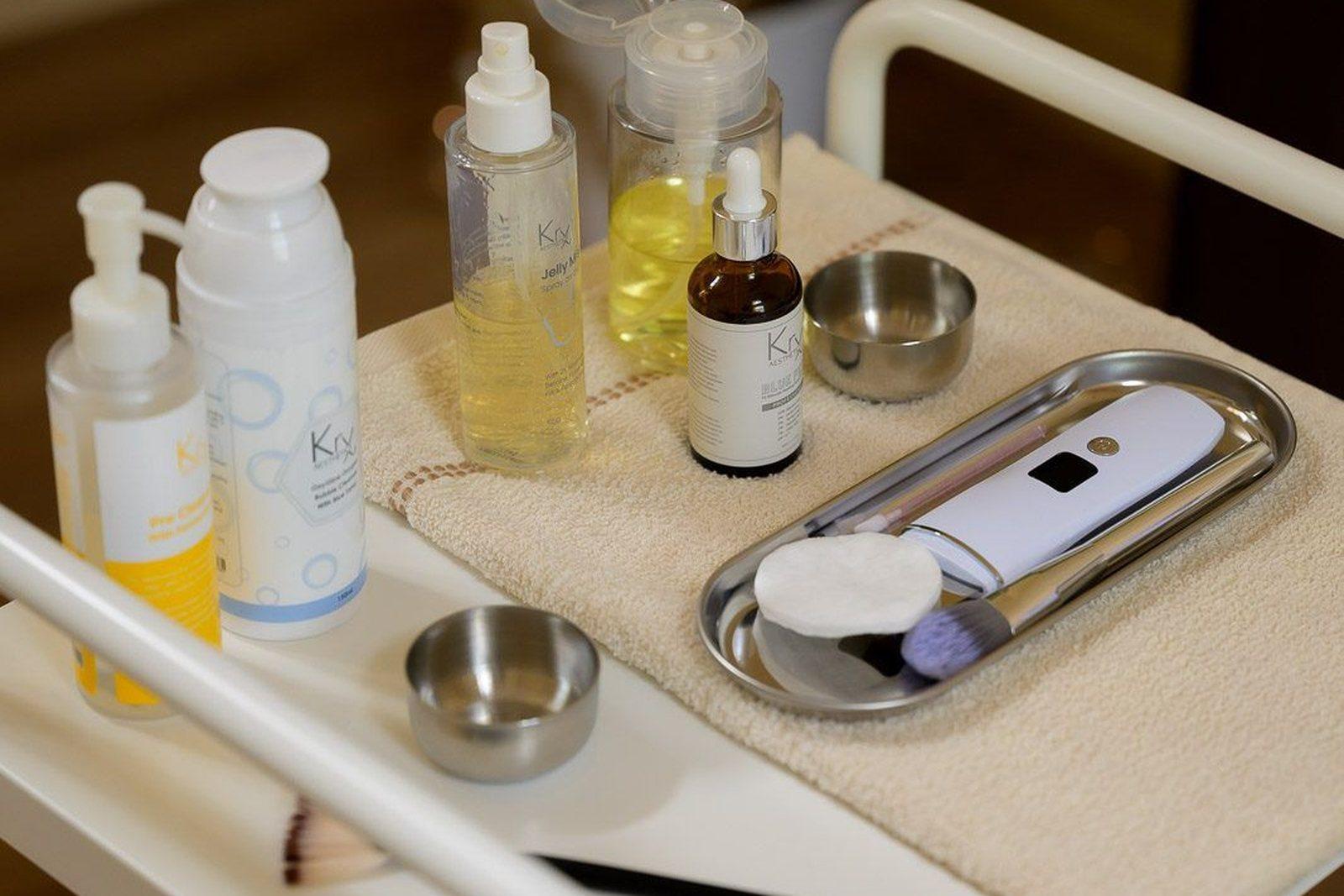
This is probably the most underrated image of all. A disinfected worktop, a sterile field, gloves, single-use packaging, the cleaning routine between two patients: these details speak of safety without a single word. Photographed with care, they become elegant and deeply reassuring images.
The equipment
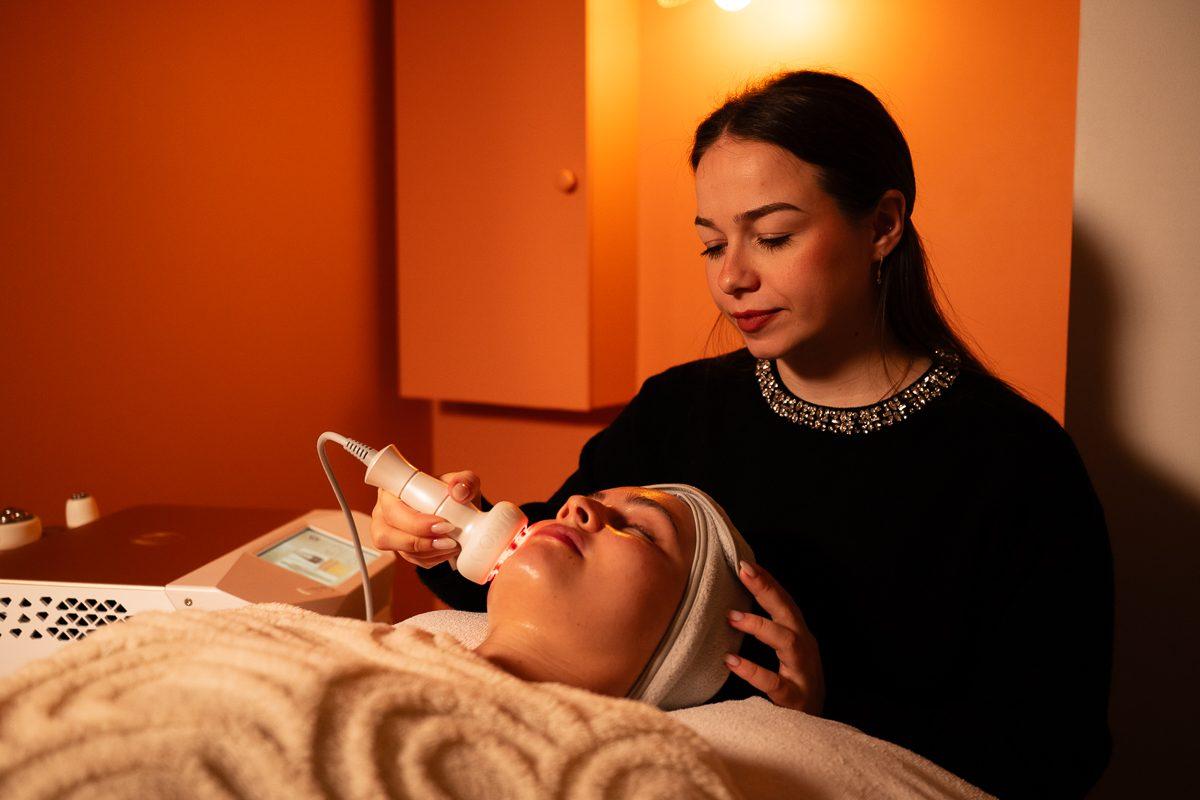
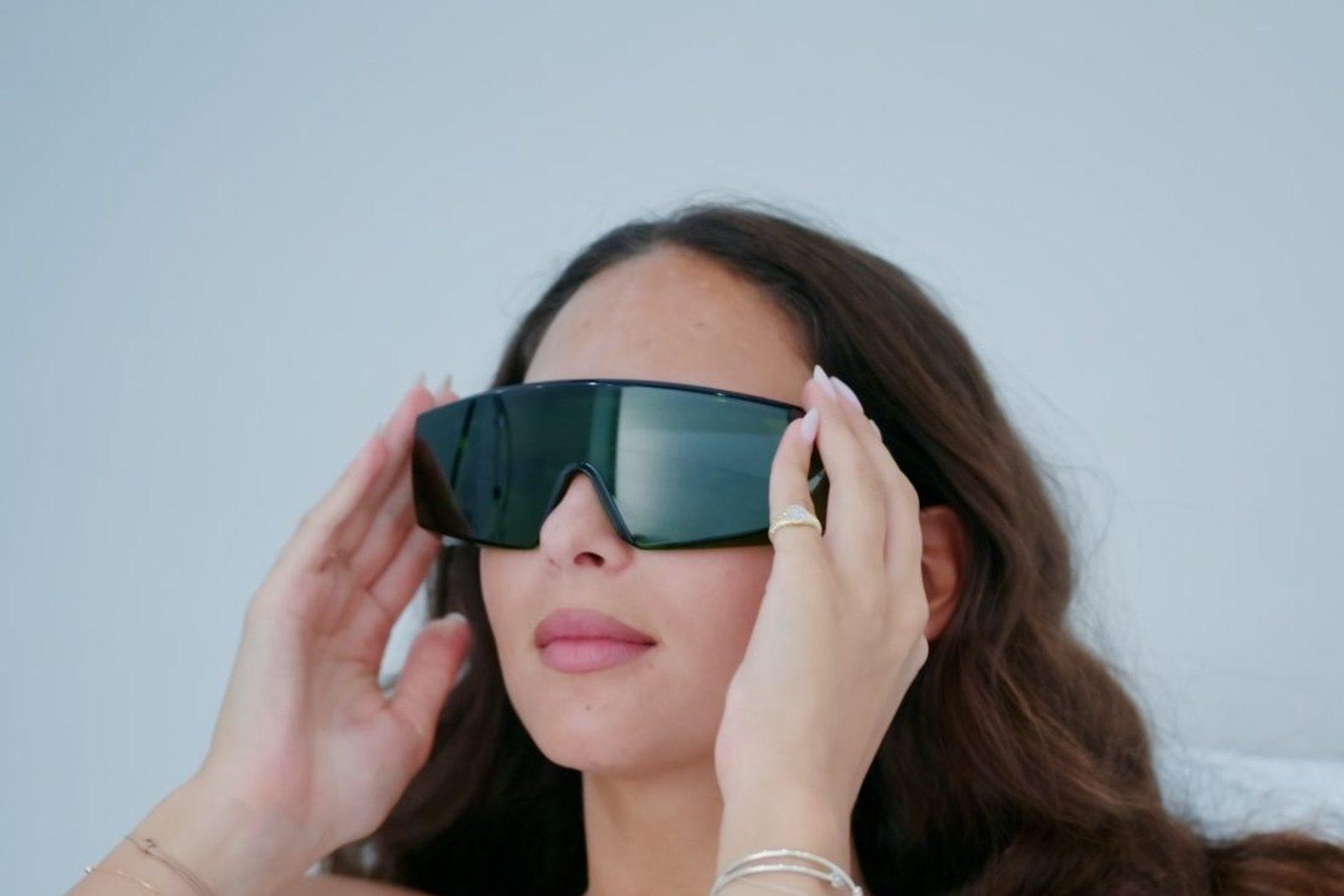
Laser and treatment devices can be shown, ideally in a neutral way: the object, its surroundings, the hand adjusting it. Avoid turning your posts into a shop window for an equipment brand, and never credit a machine with results no image can honestly promise. For a laser hair removal clinic, the device is often the visual heart of the place: showing it precisely and soberly is enough.
The team
The doctor, the nurse, the assistant, the front desk. Careful portraits, in work clothes, with a name and an exact role. A portrait in context (during a consultation, explaining a protocol) says far more than a smile to camera. It is also where titles and diplomas belong, without overstatement.
The patient journey, illustrated with models
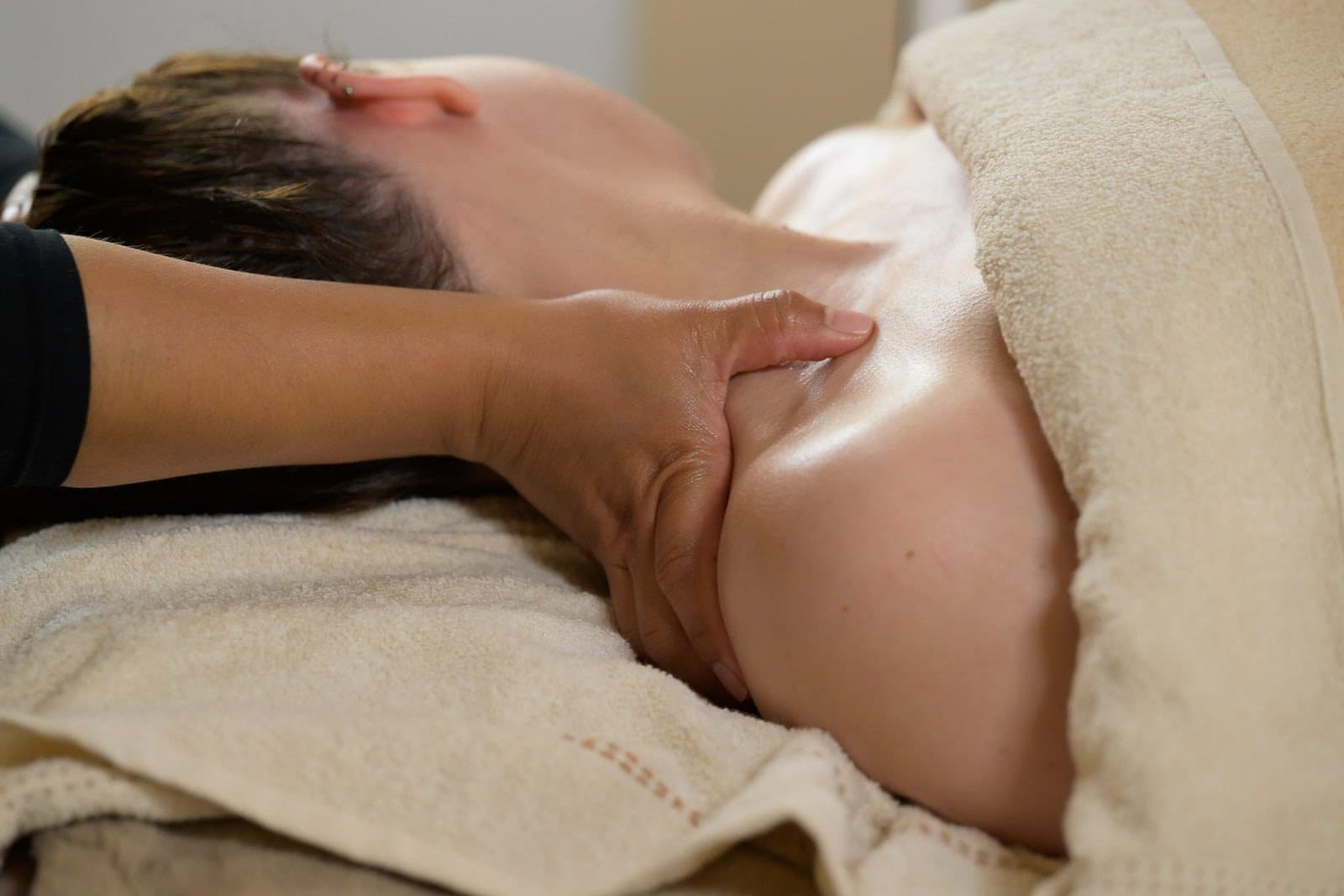
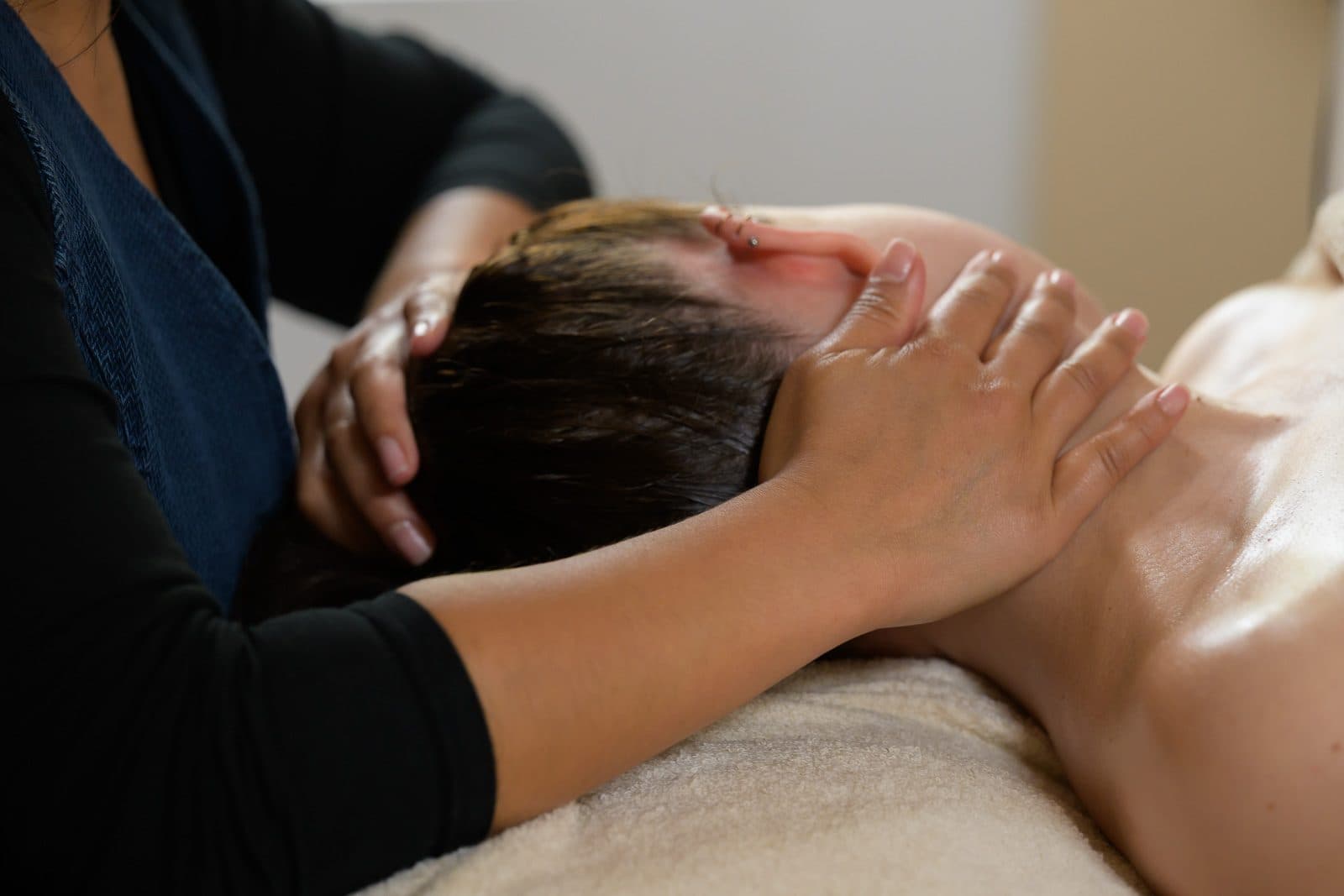
Welcome, consultation, time to explain, treatment, aftercare advice. Showing these stages helps a patient picture themselves there and understand that time is taken to inform them. These scenes are photographed with models, never with real, identifiable patients, and with a signed image release. The gestures stay realistic, the staging discreet, and nothing suggests a result achieved.
It is the approach we set out in our editorial shoot service, and one you can see in our work for Kore Clinic, an aesthetic medicine and laser hair removal clinic in Paris's 8th arrondissement.
3. The tone: sober, precise, educational
The images set the frame; the words have to follow. In aesthetic medicine, the right tone sounds more like a medical practice than a cosmetics brand.
Favour verbs that explain over verbs that promise. "We walk you through how a session works" rather than "Discover perfect skin". Talk about patients, consultations, indications and contraindications. Mention that time for reflection is given before any decision, and that some requests may not lead to a procedure at all.
Premium vocabulary has its place, provided it stays descriptive: discretion, personal attention, guidance, care. It describes a way of welcoming people, not a result.
On fees, information is allowed and even helpful, as long as it remains information: an indicative range, the terms of the consultation, the fact that a quote is provided. Never a discount, a "buy three sessions" package or a countdown.
4. Instagram and website: where and how to publish
Instagram for aesthetic medicine
Instagram for aesthetic medicine remains possible, but it works as an information notebook rather than a catalogue. A coherent feed, with controlled tones, alternates between a few simple formats.
Images of the place and the team, to build trust. Educational posts: how a first consultation runs, what a contraindication is, why there is an interval between two sessions. Short, calm videos on hygiene or how a room is prepared. Team portraits, when someone joins or completes a training course.
A few reflexes to keep: no reposting patients' stories, no paid partnerships with influencers, no giveaways. Complimentary comments are not highlighted, and medical questions asked in the comments are redirected to a consultation.
The website, the centrepiece
The website is where fair information sits most naturally. One page per procedure or family of procedures, written factually: what it involves, who it may suit, what it cannot do, how it unfolds, what may follow. A team page with exact titles and diplomas. A page on hygiene and safety. Clear practical information.
It is also an excellent foundation for local search, without ever sliding into touting. We design this kind of site to measure, in step with the images we produce: see our website service.
5. Organising a shoot in a medical clinic
A shoot in aesthetic medicine needs more preparation than one in a beauty salon. A few steps seem essential to us.
A conversation with the doctor beforehand. Together we list what can be shown, the procedures not to stage, the areas of the clinic to favour and how each team member should be presented.
Models and releases. Patient journey scenes are shot with adult models who know how the images will be used, with a signed image release. No real patient appears, not even from behind.
A day without patients, or a dedicated slot. To respect medical confidentiality and work calmly, the shoot is scheduled outside consultation hours.
Honest retouching. We correct light and colour, never the models' skin in a way that would suggest the effect of a treatment. A retouched image implying a result would be misleading.
For a clinic that is opening or refreshing its image, half a day or a full day covers the space, the team, the equipment and a few patient journey scenes. Our editorial shoot format lends itself well to this: the Flash Signature package (€950 excl. VAT, 6 hours on site, 15 retouched photos, one styled interview, 2 reels and 12 short videos), for example, provides enough to present the doctor in interview and feed both the website and Instagram for several months.
6. Mistakes to avoid
A few frequent traps, seen online far more often than you might think.
Borrowing the codes of the beauty salon. Seasonal promotions, gift vouchers pushed to the front, saturated "glow" visuals: what works for a salon becomes problematic in a medical setting.
Publishing before/after shots, even blurred. Blurring changes nothing about the nature of the image: it is still an argument based on results.
Sharing messages from happy patients. A testimonial, however spontaneous and sincere, is still a testimonial. Thank them privately; do not republish.
Using an inaccurate title. "Aesthetic doctor" suggests a specialty that does not exist. State your actual specialty and your training.
Delegating without reviewing. An agency can suggest, write and photograph. Final sign-off on each post belongs to the doctor, because the doctor carries the responsibility.
7. Aesthetic medicine communication: frequently asked questions
Is a doctor allowed a professional Instagram account?
Yes. Since the rules on doctors' communication were relaxed, a professional account is possible, provided its content remains fair, clear and honest information with no commercial character. Every post should read the way a page of your website would.
Can you show before/after photos on your website or Instagram?
In practice, no. A before/after works as a promise of results and amounts to advertising. To illustrate a procedure, diagrams, written explanations or images of the process with models are a better choice.
Can you photograph real patients?
It is strongly discouraged, even with their consent, because of medical confidentiality and the risk of the image being read as a testimonial. The patient journey is illustrated with models, under a written release.
Can you display your fees?
Informing patients about fees is possible and even useful. What causes problems is discounts, bundled offers or any presentation that pushes towards a decision. An indicative range and a mention of the quote are enough.
Do the same rules apply to a laser hair removal clinic?
When laser hair removal is carried out in a medical setting, under a doctor's responsibility, the same caution applies. In every case, avoid promises of permanent results and check the regulatory framework specific to your structure with a lawyer or your professional body.
Can an agency handle my communication for me?
It can produce the images, draft the copy and organise publishing. But ethical responsibility cannot be delegated: every piece of content must be approved by the doctor before it goes out.
Restraint as a signature, in summary
In aesthetic medicine, restraint is not a constraint that impoverishes the image. It is what creates trust. A well-photographed space, visible hygiene, equipment presented accurately, a team identified by its real titles and a patient journey explained with models: that is enough to build an online presence that is elegant, useful and true to the spirit of the rules.
The rest comes down to tone: explain rather than promise, inform rather than sell, and remember that every post commits the doctor who signs it.
At Agence Dubois we work with aesthetic medicine and laser hair removal clinics across the Paris region on bespoke shoots, designed from the outset for a medical setting. If you would like to renew your clinic's images or rethink your online presence, book a free 30-minute discovery call. We will talk about your space, your team and what you want to show, with the discretion your practice calls for.
Agence Dubois is a digital communication studio dedicated to the beauty and wellness professions, based in Chessy and working across the whole Paris region. Photography, video and editorial strategy for beauty salons, spas, aesthetic medicine and wellness practitioners.
- aesthetic medicine communication
- aesthetic clinic photography
- aesthetic doctor advertising rules
- aesthetic medicine Instagram
- medical ethics communication
- aesthetic medicine photographer
- laser hair removal clinic marketing
- aesthetic clinic website
- aesthetic medicine Paris region